Why the MuArt exists
I am a computer and electronics engineer. I am a hardware hacker and maker.
USB-UART converters are ubiquitous and can be used throughout many phases of a product's lifecycle. They are used during initial board bringup, for debugging and development, for flashing firmware, for exchanging operational data, as service ports in the field, or as diagnostic interfaces during analysis.
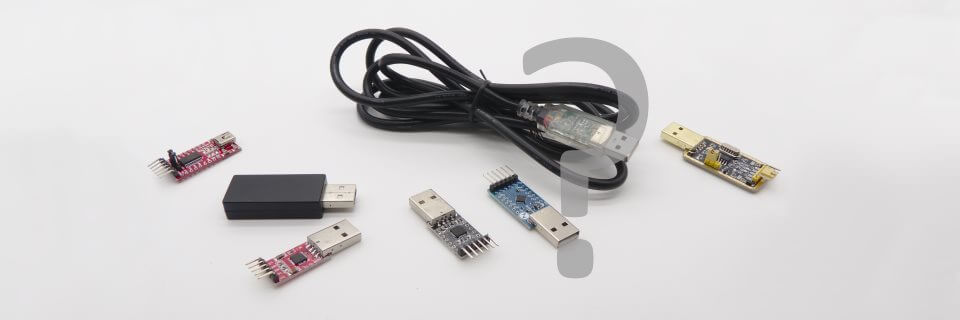
As many as they may be, these use cases don't really differ much from a hardware perspective, so I thought to myself - Why do I need multiple converters just to get all voltage levels for different projects? Why do I need multiple pieces of each just to get all the pins for flashing here or handshaking there? Why won't many of them last, and why do some act up time to time? As it stands, I need a small collection of these adapters, each of them less than ideal, and I still have use cases not covered.
A USB-UART converter is my tool, and I want to debug my project, not my tool. My tool should be reliable. Such adapters are often used during development, experimentation, or debugging, and especially on these occasions, mistakes and accidents happen. As a result, my tool should be robust and it should isolate faults. A USB-UART adapter is also used throughout a project's lifetime and during many projects, so it should lend itself easily to multiple similar use cases. Hence, my tool should be versatile and universal. Other converters on the market were made to be simple or to compete in price. I want quality naturally combined with functionality.
As strange as it seems, I was unable to find such a reliable device among serial adapters during many years of my career - hence I made the MuArt, and my instincts turned out to be right. The product originally started as a crowdfunding campaign in 2018, and immediately got 8x over-funded and sold almost 900 copies right at the start, proving the need for the product.